
That’s the question I kept coming back to in this case.
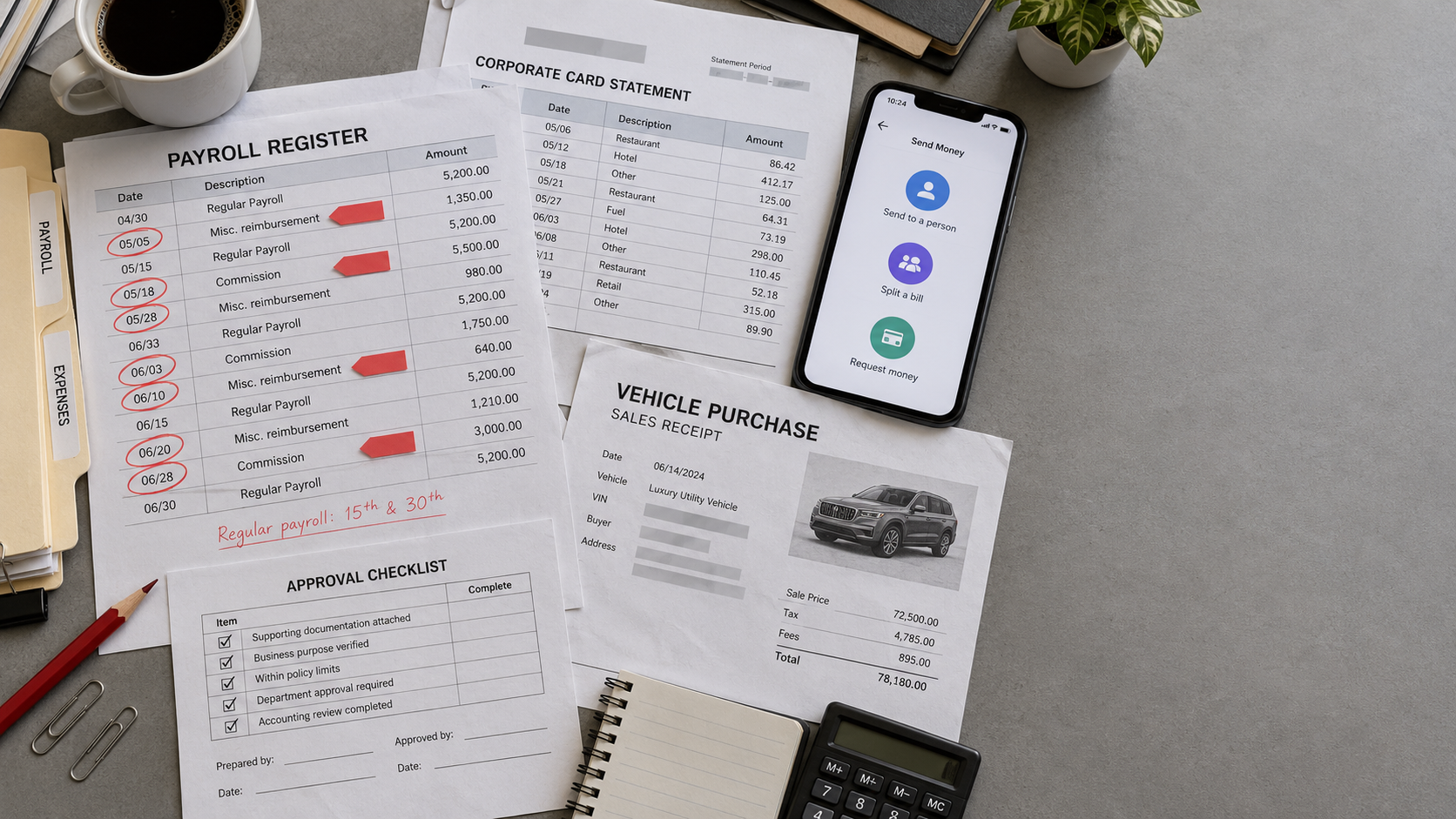
An Alabama accounting manager allegedly paid himself commissions, even though, according to prosecutors, he didn’t have a commission-based job. Other payments were labeled as reimbursements. Twelve payments in all, issued outside the company’s regular payroll schedule.
I’d want to see who approved them.
According to a plea agreement described by WBRC, Andrew W. Volkoff worked for a Bessemer company from December 2022 until June 2025. Prosecutors said he issued himself $27,992.15 in unauthorized payments from its payroll bank account.
They also said he used a company American Express card for $162,932.42 in personal purchases and transfers through PayPal and Venmo. Those expenses allegedly included a down payment on a 2011 Mercedes-Benz ML.
The combined amount was $190,924.57. Volkoff agreed to plead guilty to one count of wire fraud. Sentencing had not been scheduled when the report was published.
Nearly $191,000 is a lot of money to lose. But I’m interested in what an owner might have noticed along the way, starting with those commissions.
I’d pull the paperwork
A commission should have something behind it. Who earned it? Under what agreement? What sale or collection triggered the payment?
For the accounting manager in this case, prosecutors say the role didn’t include commissions. That gives a reviewer a specific question to pursue.
The reimbursements deserve the same attention. What did the employee buy for the company? Where is the receipt? Who reviewed it before the money went out?
“Miscellaneous reimbursement” wouldn’t give me enough to clear a payment. I’d leave it open until someone produced the support.
There could be a legitimate explanation for an unusual payment. Payroll corrections happen. Employees buy things for work. The point of reviewing them is to establish what happened, using something more than the description entered by the person who made the payment.
Then I’d go through the card
The reported vehicle down payment raises an obvious question: what did that purchase look like on the company’s statement and in its books?
The report doesn’t answer that. I’d want both records.
I’d also pull the details behind the PayPal and Venmo transactions. Businesses sometimes use those services legitimately, but the name of the payment app tells you very little. Who received the money? What was purchased? Was it for the business?
If the employee handling the card also records the charges, collects the receipts and reconciles the statement, an owner may never see the unanswered questions. Everything can appear finished in the accounting software while the supporting documents are still missing.
That’s why I want an independent person looking at statements obtained directly from the bank or card company. Give that reviewer the receipts and accounting records, too, so they can compare them.
You can check this in your own business
Pull a few months of activity from the payroll bank account. Compare the payment dates with your payroll calendar and investigate anything paid between scheduled runs.
For each of those payments, find the recipient, the reason, the supporting documents and the approval. If the recipient approved their own payment, you’ve found a gap to address.
Then review the company card for missing receipts, unfamiliar merchants and payment-app transactions you can’t connect to a business purchase.
You don’t need to accuse anyone to ask these questions. Reviewing expenses is part of running the business. So is requiring a second person to approve payments before they leave the account.
If you uncover spending that appears unauthorized, preserve the statements, payment records and audit history before confronting anyone. Bring in counsel and a qualified forensic accountant to help establish what happened and protect the evidence.
What stays with me about this case is how ordinary the payment descriptions sounded. I can see an owner scanning a report, reading “reimbursement” and moving on.
I’d stop at the commission paid to an accounting manager. Then I’d ask for the agreement that entitled him to it.
