
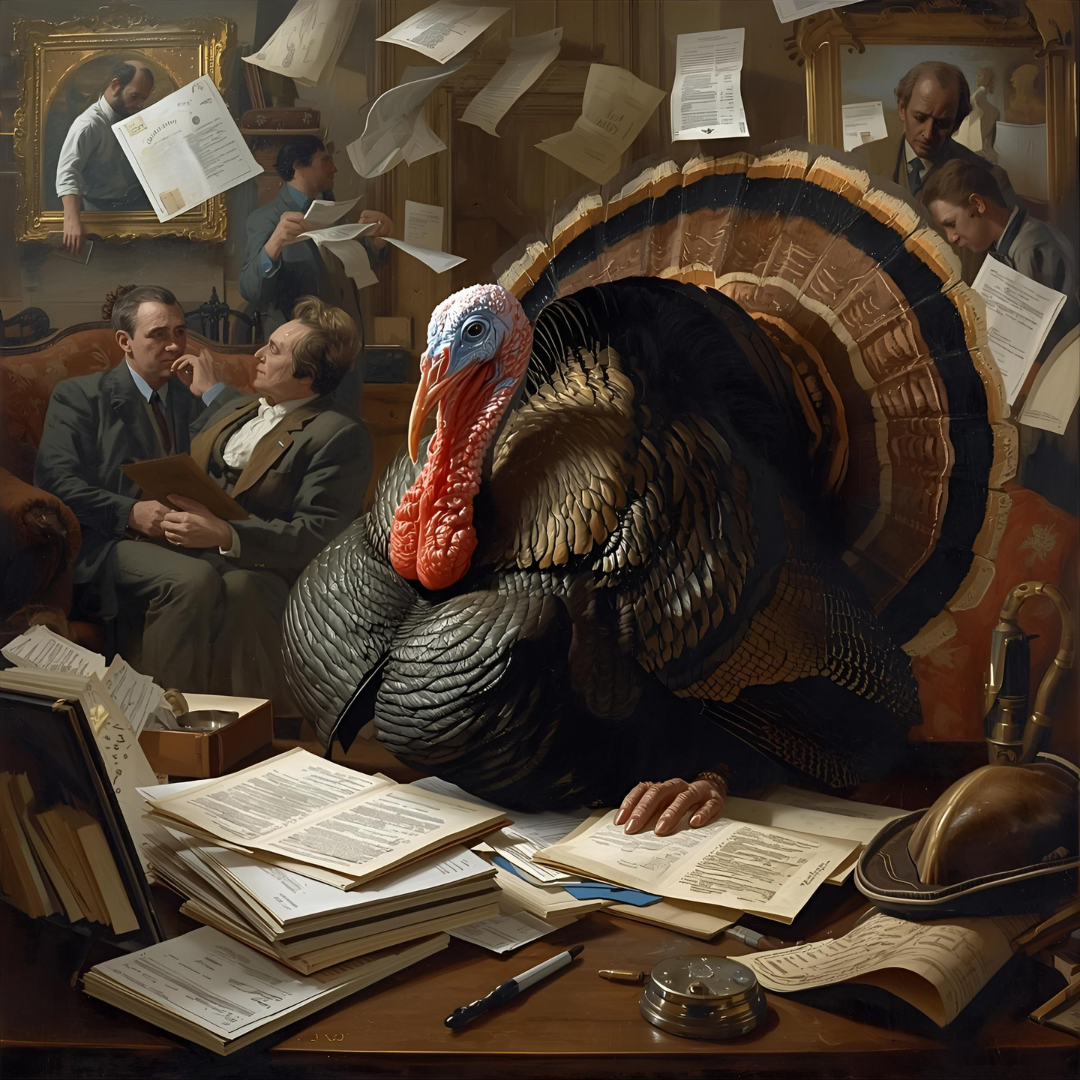
Every year, right when the cranberry sauce hits the table, something else quietly spikes inside a lot of businesses: overtime. Some of it is completely legitimate. Holiday rush. Staff taking vacation. Year-end work piling up. All normal.
But hiding inside that pile of perfectly reasonable extra hours?
A few creative entries that deserve a closer look.
If you want to protect your business, you cannot wait until January to uncover overtime fraud. By then, the money is gone, the patterns are buried, and the person who looked like a star employee might have been carving more than turkey.
Let’s get into it.
The Three Big Holiday Overtime Schemes
Think of these like the stuffing, gravy and pie of payroll fraud. They show up everywhere, and if you are not paying attention, you will miss them.
1. Padded Hours
This is the classic move. Employees round up a little here, embellish a little there. Fifteen minutes becomes an hour. Two hours becomes a full evening of work.
It feels small in the moment, but those tiny bumps quietly grow into thousands of dollars leaving your business.
What to watch for:
- Overtime hours that do not match workload
- Employees who magically always have overtime regardless of season
- Time entries submitted in big batches at the last minute
2. Ghost Employees
Yes, it is still a thing. A manager or payroll staff member quietly adds a “seasonal helper” who never shows up, never gets onboarded and never existed. Except on the paycheck.
Holiday chaos gives them cover.
What to watch for:
- New hires with no personnel file
- Overtime charged to departments that are not busy
- Paychecks going to the same address as a current employee
3. Supervisor Approved Timecard Games
Sometimes the problem is not the employee. It is the supervisor. Maybe they adjust someone’s hours after the fact. Maybe they approve hours they know were never worked. Maybe they get a kickback.
This one stings because it involves people you trust.
What to watch for:
- Supervisors who insist on controlling every timecard
- The same employees repeatedly showing questionable overtime
- Pushback when payroll asks questions
Why This Happens During the Holidays
The holiday season creates the perfect storm.
- More workload means more legitimate overtime to blend in
- More people out means fewer eyes reviewing timecards
- More distractions mean fraud slips through
- More year-end pressure means leaders say “we will deal with it later”
Fraud thrives in the space between now and later.
How Businesses Can Spot Overtime Fraud Early
You do not need a forensic accountant sitting in the break room. You just need smart, simple habits.
1. Match Overtime to Real Demand
If overtime rises 40 percent, is workload rising 40 percent?
If not, that is your first clue.
2. Require Employees to Submit Their Own Time
No one should submit time for anyone else. Ever.
Fraud drops fast when people know their name is tied to their hours.
3. Use Approval by Exception
Instead of approving every timecard, focus only on the ones with overtime or anything unusual. This keeps your attention on the highest-risk areas.
4. Run a Weekly Pattern Check
Look at:
- The same employees always logging overtime
- Hours recorded at strange times
- Overtime logged before regular hours are complete
Fraud shows up in patterns long before it shows up in bank accounts.
5. Separate Payroll Duties
If one person controls time entry, time approval and payroll processing, you have created the perfect opportunity for fraud. Split the responsibilities.
The Truth Most Businesses Avoid
Overtime fraud rarely starts with a master criminal.
It usually starts with someone who feels tired, stressed, underpaid or thinks “just this one time.”
But once they get away with it, it never stays small.
And every dollar lost to fake overtime is a dollar you could have used for bonuses, growth or real seasonal staffing.
Want to Stay Ahead of Holiday Fraud?
Start with something simple. Review last year’s holiday overtime and look for anything that does not make sense. Patterns stand out fast once you know what you are looking for.
