
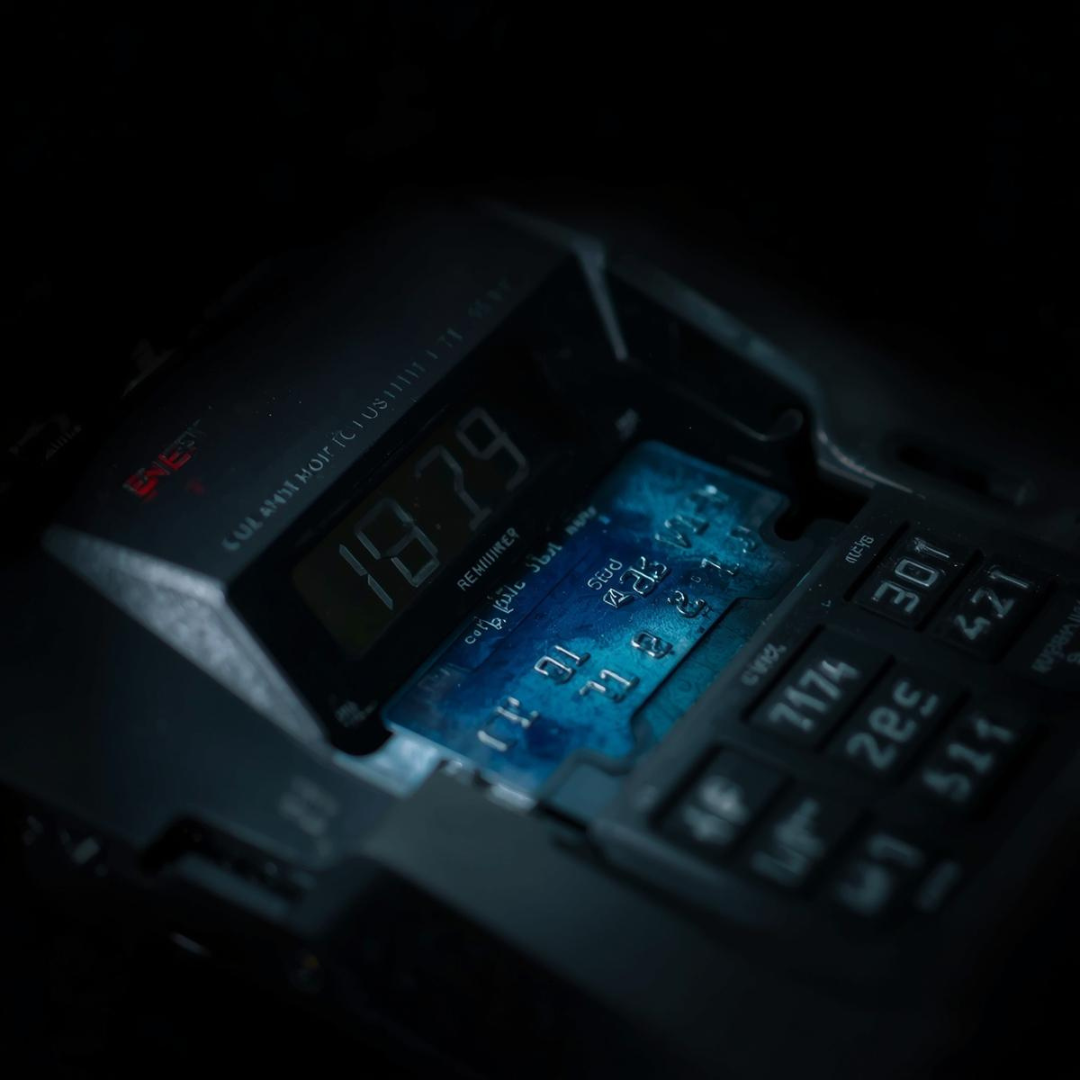
Every fraud investigation starts the same way.
“It must have happened somewhere else.”
Customers swear they only used their card at your business. Your register works fine. Deposits look normal. Nothing appears broken.
That is exactly why credit card skimming works.
Skimming is not loud. It does not crash systems. It quietly steals data while everyone assumes business as usual.
If you accept credit cards, this is your case to solve.
What Credit Card Skimming Actually Looks Like
Skimming happens when card data is captured during a legitimate transaction. No alarms. No obvious errors. Just stolen information moving quietly out the back door.
Most cases fall into three categories:
• External skimmers attached to card readers
• Internal devices installed inside terminals or registers
• Software based skimming through compromised POS systems
The register still processes payments. Customers still walk out happy. The fraud shows up weeks later when banks start calling.
Why Businesses Miss the Warning Signs
Fraud does not rely on brilliance. It relies on blind spots.
Small and mid sized businesses are common targets because:
• Registers are rarely inspected
• Too many people have access
• Passwords are shared or reused
• POS systems are outdated
• Owners assume processors handle security
Trust without verification is not loyalty. It is exposure.
How Skimmers Get Installed in the Real World
Forget movie scenes and hooded hackers. Here is how this actually happens:
• A temporary employee swaps a legitimate reader with a compromised one
• Someone posing as a technician services equipment that did not need service
• A phishing email gives access to POS software
• A trusted manager has too much access and no oversight
Every case comes down to the same formula.
Access plus opportunity plus no one checking.
How to Detect Tampering Before Damage Is Done
You do not need paranoia. You need routines.
1. Daily Visual Inspections
Check card readers for loose parts, broken seals, unfamiliar attachments, or anything that looks different from yesterday.
2. Restrict Physical Access
Only specific roles should open terminals or registers. Fewer keys. Fewer codes. Clear accountability.
3. Separate Responsibilities
No single person should handle setup, close out, and reconciliation. This one control prevents more fraud than most software.
4. Review Transaction Patterns
Watch for small repeated charges, odd refunds, or activity outside normal hours. Skimming often leaves behavioral clues.
5. Keep Systems Updated
Outdated POS systems are easy targets. Updates are a control, not a nuisance.
Employees Are Either a Firewall or a Weak Point
Most fraud is discovered by employees who were trained to notice it.
Your team should know:
• What skimmers look like
• Why inspections matter
• How to report concerns safely
• That controls protect honest employees
Fraud prevention is not about suspicion. It is about structure.
If You Suspect Skimming, Do This
Do not unplug equipment.
Do not confront anyone.
Do not try to fix it yourself.
Instead:
• Secure the device
• Contact your payment processor immediately
• Document what you observed and when
• Bring in a forensic accountant or fraud professional
Evidence matters. Panic destroys it.
The Question Every Owner Should Ask
If someone can tamper with your register, what else can they touch?
Refunds. Vendor payments. Payroll. Customer data.
Skimming is rarely the only weakness. It is usually the first one discovered.
Your Case File Starts Today
Walk your business. Look at every register. Ask yourself one direct question:
“If someone wanted to steal from me, could they do it quietly?”
If the answer is anything but no, that is where the investigation starts.
Detect-A-Fraud helps businesses find vulnerabilities before they turn into losses.
Fraud prevention is not about fear. It is about control, clarity, and staying one step ahead.
